
Carbon monoxide and smoke alarm safety
Protect your home
Carbon monoxide (CO) and smoke are two of the most dangerous threats in a home. Carbon monoxide is known as the invisible killer because it cannot be seen, smelled, or tasted. Smoke from a fire can spread quickly, reducing visibility and making it difficult to escape.
Working carbon monoxide and smoke alarms provide critical early warnings. These devices alert you about danger, so you and your family have time to get out of the house and call for help.
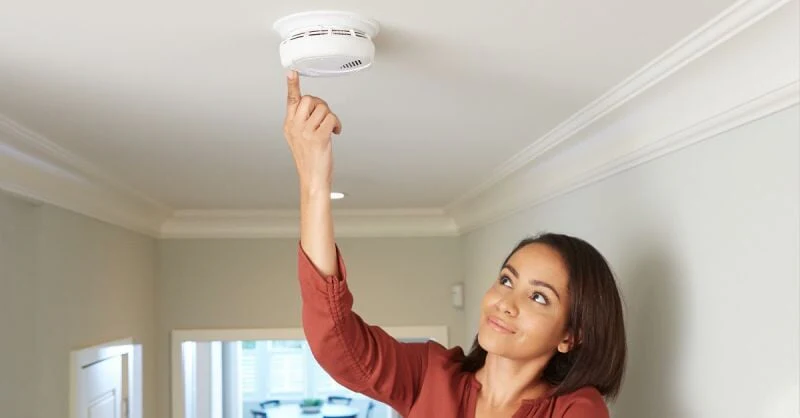
Alarm placement and maintenance
For the best protection, install both smoke alarms and carbon monoxide alarms in your home.
Install alarms:
- Inside every sleeping room.
- Outside each sleeping area.
- On every level of the home, including the basement.
For the best protection, connect alarms so that when one sounds, they all sound.
Maintenance tips:
- Test alarms monthly.
- Replace batteries as needed.
- Replace the alarm unit according to manufacturer instructions (typically every 5 to 10 years).
- Never remove batteries or disable an alarm.
Smoke alarm sounds:
What to do if an alarm sounds
If a smoke alarm sounds:
- Get outside and to a safe distance immediately.
- Call 9-1-1.
- Do not reenter until emergency responders say it is safe to do so.
If a carbon monoxide alarm sounds:
- Move everyone outside or to fresh air immediately.
- Call 911 from a safe location.
- Stay outside until emergency personnel say it is safe to return.
Safe heating practices
Before cold weather begins, have fuel-burning appliances, furnaces, and chimneys inspected by a qualified professional.
Safety reminders:
- Always open the flue when using a fireplace.
- Never use an oven or stove to heat your home.
- Never use a space heater to dry clothing, thaw pipes, or cook food.
- Maintain a minimum of three feet between the heater and anything that can burn, including people, pets, and furniture.
- Do not use heaters in bathrooms near sinks or bathtubs to avoid electric shock.
- If warming up a vehicle, move it out of the garage immediately after starting it, even if the garage door is open.
After Snow or storms
Blocked vents can lead to dangerous carbon monoxide buildup.
After heavy snow or storms:
- Clear snow and debris from dryer, furnace, stove, and fireplace vents.
- Check that outside exhaust pipes and vents are not blocked.
- Operate portable generators outdoors and away from doors, windows, and vents.
Why Is Carbon Monoxide Poisoning A Winter Storm Threat?
Key facts to remember
- Grills, generators, and gas-powered tools should only be used outdoors.
- Never run generators or grills inside homes, garages, or near windows.
- A chirping carbon monoxide or smoke alarm may indicate low batteries or that the device needs replacement. Follow the manufacturer’s instructions.
Resources
Smoke Alarm Safety